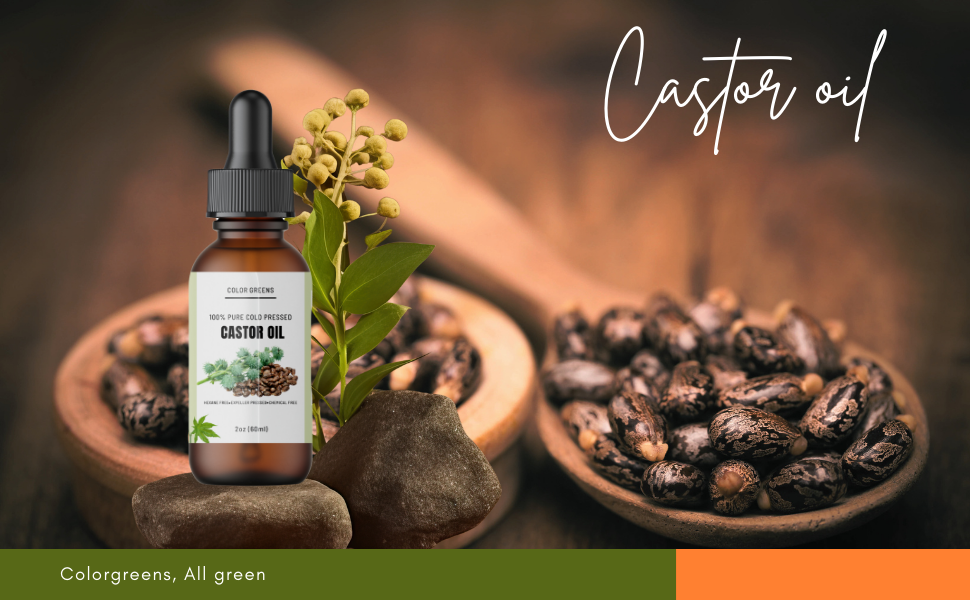
Castor oil, derived from the seeds of the Ricinus communis plant, has been used for centuries for its numerous health benefits. Known for its powerful medicinal properties, this versatile oil is often hailed as a natural remedy for a variety of ailments. From promoting hair growth to alleviating pain, castor oil has become increasingly popular in recent years for its wide range of applications. In this article, we will explore the various benefits of castor oil and how to use it effectively. Whether you are looking for a solution to hair loss, fertility issues, or pain relief, castor oil may just be the answer you’ve been searching for. So, let’s dive in and discover the wonders of castor oil and how it can improve your well-being.
Castor oil is a versatile and natural substance with a wide range of uses and benefits for health, beauty, and wellness. This article will explore the five key benefits of castor oil and provide detailed guidance on how to incorporate it into your daily routine effectively.
From promoting hair growth to enhancing skin health, castor oil has become a go-to ingredient for those seeking natural solutions for a variety of concerns. Castor oil offers a natural and effective solution whether you’re looking to improve the appearance of your lashes and brows, find relief from constipation, or support your fertility.
In this comprehensive guide, we’ll explore the origins and types of castor oil and provide step-by-step instructions on how to use it effectively. We’ll also discuss precautions and potential side effects to consider, ensuring you can safely and confidently incorporate castor oil into your routine.
Key Takeaways
- Castor oil is a versatile natural substance with a wide range of benefits for health, beauty, and wellness
- The article explores five key benefits of castor oil, including promoting hair growth, enhancing eyelash and eyebrow growth, improving skin health, relieving constipation, and supporting fertility
- Detailed guidance is provided on how to effectively use castor oil, including topical application and oral consumption
- The article discusses different types of castor oil, such as Jamaican black castor oil and hexane-free organic castor oil, to help readers choose the right product for their needs
- Precautions and potential side effects are also covered to ensure safe and responsible use of castor oil
What is Castor Oil?
Castor oil is a versatile and widely used natural oil derived from the castor bean plant, Ricinus communis. This remarkable oil has been part of traditional and folk medicine practices for centuries, valued for its potential health benefits and diverse applications.
Origins and Production
Castor oil’s origins can be traced back to ancient civilizations, where it was used for various purposes, including as a lighting fuel, a cosmetic ingredient, and a medicinal remedy. Today, the oil is primarily produced by pressing the seeds of the castor bean plant, which is found in tropical and subtropical regions around the world.
Types of Castor Oil
- Jamaican Black Castor Oil: This type of castor oil is produced using a traditional Jamaican method. The castor beans are roasted before pressing, resulting in a thicker, darker oil with a distinct aroma.
- Hexane-Free Castor Oil: Hexane is a chemical solvent commonly used in oil extraction, but some consumers prefer to avoid it. Hexane-free castor oil is processed without the use of this chemical.
- Organic Castor Oil: Castor oil can also be produced from organically grown castor beans, ensuring that it is free from synthetic pesticides and other potentially harmful chemicals.
Regardless of the specific type, castor oil is known for its unique chemical composition, which includes a high concentration of ricinoleic acid, a fatty acid with potential therapeutic properties. This composition contributes to the oil’s diverse uses and potential benefits.
Benefit 1: Promoting Hair Growth
Castor oil is renowned for its ability to stimulate and promote hair growth. The oil’s high concentration of ricinoleic acid, as well as its antimicrobial and anti-inflammatory properties, make it an effective natural treatment for various hair and scalp issues, including thinning, dry, and damaged hair. Let’s explore how to properly apply castor oil to your scalp and hair to achieve optimal results.
How to Use Castor Oil for Hair Growth
Using castor oil for hair growth Castor oil has been used for centuries for its various health benefits, and one of its popular uses is promoting hair growth. If you’re struggling with hair thinning or slow hair growth, castor oil might be the solution you’ve been looking for.
To use castor oil for hair growth, start by ensuring you have high-quality, organic castor oil. Apply the oil directly to your scalp and massage it gently. The oil’s thick consistency and high vitamin E content nourish the hair follicles, promoting blood circulation, stimulating hair growth, and preventing hair loss.
But did you know that castor oil isn’t just beneficial for hair growth? It’s also great for maintaining healthy nails. Applying a small amount of castor oil to your nails every day can strengthen them, prevent breakage, and promote growth.
Another lesser-known benefit of castor oil is its ability to promote relaxation. By massaging a few drops of warm castor oil onto your temples or using it during a soothing massage, you can relieve stress and tension. The oil’s natural anti-inflammatory properties provide a calming effect and promote a sense of tranquility.
Additionally, some studies suggest that castor oil could be beneficial for fertility. Although more research is needed, the oil’s ricinoleic acid content may positively impact reproductive health in both men and women. If you’re trying to conceive, you may consider incorporating castor oil into your fertility regimen, but always consult with a healthcare professional first.
In conclusion, castor oil can be a natural and effective way to boost hair growth. Its nourishing and stimulating properties can revitalize hair follicles and promote a healthy scalp. Additionally, the oil can benefit nails, promote relaxation, and potentially support fertility. So why not give castor oil a try and see the amazing results for yourself?
This is a simple and straightforward process. Follow these steps to incorporate it into your hair care routine:
- Start with clean, dry hair. Using your fingertips, gently massage a small amount of pure, high-quality castor oil into your scalp.
- Spread the oil throughout your hair, focusing on the ends, which are often the most prone to dryness and damage.
- Cover your hair with a shower cap or a warm towel and let the oil penetrate for 30 minutes to an hour.
- Rinse the oil out with a gentle, sulfate-free shampoo, and follow up with your regular conditioner.
- Repeat this process 1-2 times per week for best results in promoting hair growth with castor oil.
Incorporating castor oil into your hair care routine can help nourish your scalp, strengthen your strands, and encourage healthy hair growth over time. Be patient and consistent, as achieving optimal results may take several weeks or months of regular use.
Benefit 2: Enhancing Eyelash and Eyebrow Growth
While castor oil is renowned for its ability to promote hair growth on the scalp, it can also work wonders for the delicate hairs on your eyelashes and eyebrows. The nourishing properties of this versatile oil can help condition and strengthen these often-overlooked areas, leading to fuller, longer, and healthier-looking lashes and brows.
Castor Oil for Eyelashes
Castor oil’s high concentration of ricinoleic acid, omega-6 fatty acids, and vitamin E make it an excellent choice for enhancing eyelash growth. When applied regularly, the oil can help nourish and condition the lashes, leading to a noticeable increase in length and volume. Many users report seeing their lashes become thicker and more defined after just a few weeks of using castor oil.
Castor Oil for Eyebrows
In addition to lashes, castor oil can also be used to promote the growth and appearance of eyebrows. The oil’s moisturizing properties can help strengthen the brow hairs, preventing them from becoming brittle and breaking. Over time, consistent use of castor oil may result in fuller, more well-defined brows that frame the face beautifully.
Benefit
Castor Oil for Eyelashes
Castor Oil for Eyebrows
Growth Promotion
✓
✓
Conditioning and Strengthening
✓
✓
Increased Length and Volume
✓
✓
Whether you’re looking to enhance your eyelashes or eyebrows, incorporating castor oil for eyelashes and castor oil for eyebrows into your beauty routine can be a game-changer. With its nourishing properties and versatility, this natural remedy is a must-try for anyone seeking healthier, fuller, and more defined facial features.
How to Use Castor Oil
Castor oil is a versatile natural remedy that can be used in various ways to promote health and wellness. Whether applied topically or consumed orally, this oil offers a range of benefits. Let’s explore how to incorporate castor oil into your daily routine.
Topical Application for Skin
One of the most common ways to use castor oil is by applying it directly to the skin. When used topically, castor oil can help address a variety of skin concerns, from acne to dry skin. Simply massage a small amount of the oil onto the affected area or mix it with other carrier oils or skincare products to use it for skin applications. The oil’s natural moisturizing and anti-inflammatory properties can help soothe and nourish the skin.
Oral Consumption
While topical use is more prevalent, castor oil can also be consumed orally to provide certain health benefits. One of the most well-known uses of oral castor oil is for relieving constipation. The oil’s laxative properties can help stimulate bowel movements and promote regular digestion. When taking castor oil orally, it’s important to follow the recommended dosage carefully, as excessive consumption can lead to undesirable side effects.
Whether you choose to use topical or oral castor oil, it’s crucial to consult with a healthcare professional, especially if you have any underlying medical conditions or are taking medication. Proper usage and dosage are key to ensuring the safe and effective use of castor oil.
Benefit 3: Improving Skin Health
Castor oil’s impressive array of benefits extends beyond hair care – it can also work wonders for your skin. Its anti-inflammatory, antimicrobial, and deeply moisturizing properties make it a versatile natural remedy for a variety of skin concerns.
Castor Oil for Acne
Acne can be a frustrating and stubborn skin condition, but castor oil may offer a natural solution. Its antibacterial qualities can help reduce the P. acnes bacteria that contribute to breakouts, while its anti-inflammatory effects can soothe redness and irritation. Applying a small amount of castor oil directly to blemishes can help dry them out and speed up the healing process.
Castor Oil for Dry Skin
For those struggling with dry, flaky skin, castor oil can be a game-changer. Its high fatty acid content helps to deeply hydrate and lock in moisture, leaving skin soft, supple, and radiant. Incorporating castor oil into your skincare routine, whether through topical application or using a castor oil pack, can provide long-lasting relief from dryness and irritation.
| Skin Benefit | How Castor Oil Helps |
|---|---|
| Acne | Antibacterial properties reduce P. acnes bacteria, while anti-inflammatory effects soothe redness and irritation. |
| Dry Skin | High fatty acid content deeply hydrates and locks in moisture, relieving dryness and irritation. |
Harnessing castor oil for skin, castor oil for acne, and castor oil for dry skin can help you achieve a healthier, more radiant complexion. Experiment with incorporating this versatile oil into your skincare routine and experience the transformative benefits for yourself.
Benefit 4: Relieving Constipation
Castor oil could be your natural ally if you’re struggling with constipation. This versatile oil is renowned for its laxative properties, helping to stimulate the intestines and promote regular bowel movements.
The secret behind castor oil’s constipation-relieving power lies in its high concentration of ricinoleic acid. This unique fatty acid goes to work in the digestive system, softening stool and facilitating the elimination process. By consuming castor oil orally, you can experience the benefits of its natural laxative effects.
However, it’s crucial to exercise caution and follow dosage recommendations when using castor oil for constipation. Excessive consumption can lead to unpleasant side effects, so it’s important to start with a small amount and gradually increase as needed.
Tips for Using Castor Oil for Constipation Relief
- Begin with a small dose, such as 1-2 teaspoons, and gradually increase as needed.
- Consume the oil on an empty stomach, as it works best when the digestive system is clear.
- Stay hydrated by drinking plenty of water throughout the day to support the laxative effects.
- Monitor your body’s response and adjust the dosage accordingly, as individual tolerance may vary.
Remember, while castor oil for constipation can be an effective natural remedy, it’s always best to consult with your healthcare provider, especially if you have any underlying medical conditions or concerns.
Castor Oil Packs
Castor oil packs are a simple yet effective way to harness the power of castor oil for improved health and wellness. These specialized applications involve soaking a piece of cloth in castor oil and placing it on specific areas of the body, providing a range of potential benefits.
Benefits of Castor Oil Packs
Castor oil packs are believed to offer several advantages, including:
- Improved circulation and lymphatic drainage
- Reduced inflammation and pain relief
- Enhanced detoxification and cleansing
- Promotion of healthy digestion
- Support for reproductive and hormonal health
How to Make a Castor Oil Pack
Creating a castor oil pack at home is a straightforward process. Here are the steps:
- Gather the necessary materials: a piece of flannel or cotton cloth, castor oil, and a heating pad or hot water bottle.
- Soak the cloth in castor oil, ensuring it is fully saturated but not dripping wet.
- Place the oiled cloth on the desired area of the body, such as the abdomen, liver, or joints.
- Cover the cloth with a plastic sheet or plastic wrap to prevent the oil from staining.
- Apply a heating pad or hot water bottle on top of the pack to help the oil penetrate the skin.
- Relax and allow the pack to work its magic for 30-60 minutes.
- Gently remove the pack and store it in a sealed container for future use.
Incorporating castor oil packs into your self-care routine can be a beneficial and natural way to support your overall health and well-being.
Benefit 5: Supporting Fertility
Castor oil has long been recognized for its potential benefits in supporting reproductive health and fertility. The oil’s unique properties, including its anti-inflammatory qualities and ability to improve circulation, may contribute to its positive impact on the reproductive system’s overall health.
Castor Oil and Reproductive Health
One primary way in which castor oil may support fertility is through its anti-inflammatory effects. Inflammation can be a significant factor in various reproductive health issues, such as polycystic ovary syndrome (PCOS) and endometriosis. By reducing inflammation, castor oil may help create a more favorable environment for conception and pregnancy.
Additionally, the oil’s ability to enhance circulation may be beneficial for reproductive health. Improved blood flow to the reproductive organs can help nourish and support their proper functioning, potentially aiding in conception and pregnancy outcomes.
- Castor oil’s anti-inflammatory properties may help reduce inflammation in the reproductive system, creating a more favorable environment for conception.
- The oil’s ability to improve circulation may enhance the overall health and function of the reproductive organs, supporting fertility.
It’s important to note that while castor oil has traditionally been used to support fertility, it’s crucial to consult with a healthcare professional before using it for this purpose. They can provide personalized guidance and ensure the safe and appropriate use of castor oil in your reproductive health journey.
“Castor oil has been used for centuries to support reproductive health, and its potential benefits for fertility are a testament to its versatility as a natural remedy.”
Choosing the Right Castor Oil
When it comes to incorporating castor oil into your daily routine, selecting the right type can make all the difference. From the rich and potent Jamaican black castor oil to the gentle, hexane-free, and organic options, each variety offers unique benefits to suit your specific needs.
Jamaican Black Castor Oil
Jamaican black castor oil is a popular choice among those seeking a high-quality, unrefined castor oil. The deep, dark color of this oil is a result of the unique processing method, which involves roasting the castor seeds before extraction. This process helps to preserve the oil’s natural properties, making it a powerhouse for promoting healthy hair, skin, and nails.
Hexane-Free and Organic Castor Oil
For those seeking a more gentle and pure approach, hexane-free and organic castor oils are excellent options. These oils are processed without the use of harsh chemicals, ensuring that the end product retains all of the beneficial compounds found in the castor bean. Hexane-free and organic castor oils are ideal for those with sensitive skin or who prefer a more natural approach to their beauty and wellness routines.
| Castor Oil Type | Key Benefits | Ideal For |
|---|---|---|
| Jamaican Black Castor Oil |
|
Those seeking a powerful, high-quality castor oil |
| Hexane-Free and Organic Castor Oil |
|
Individuals who prefer a natural, pure approach |
Ultimately, the choice of castor oil will depend on your individual preferences and needs. Whether you opt for the robust Jamaican black castor oil or the gentle, hexane-free, and organic varieties, incorporating this versatile oil into your routine can unlock a world of benefits for your hair, skin, and overall wellbeing.
Precautions and Side Effects
Castor oil is known for its various health benefits, but it is essential to take certain precautions and be aware of potential side effects. One common concern is the effect of castor oil on fertility. There is limited scientific research on this topic, but some studies suggest that high doses of castor oil might affect fertility by interfering with hormone levels. If you are trying to conceive, it is advisable to consult with a healthcare professional before using castor oil.
Another popular use of castor oil is for relaxation purposes. Castor oil packs are often applied on the abdomen to promote relaxation and reduce stress. However, it is important to note that individual reactions may vary, and some people may experience skin irritation or allergic reactions to the oil. It is recommended to perform a patch test on a small area of skin before using castor oil topically to ensure there are no adverse reactions.
Despite potential precautions and side effects, castor oil offers several benefits. It is widely recognized for its moisturizing properties, making it a popular ingredient in skincare and haircare products. Additionally, castor oil has been used for its potential laxative effects, helping to relieve constipation. Many people also use castor oil as a natural remedy for joint and muscle pain.
In conclusion, while castor oil has numerous potential benefits, it is crucial to exercise caution and be aware of potential side effects. If you have concerns about castor oil’s impact on fertility, consult a healthcare professional. Perform a patch test before using castor oil topically to avoid any adverse reactions. Despite the precautions, castor oil remains a valuable natural remedy with moisturizing properties, potential laxative effects, and reputed pain relief benefits.
When it comes to using castor oil, it’s important to exercise caution and be aware of potential side effects. While castor oil is generally considered safe for most people when used correctly, there are a few precautions to keep in mind.
Pregnant women, individuals with certain medical conditions, and those taking specific medications should consult with a healthcare professional before incorporating castor oil into their routine. Improper or excessive use of castor oil may lead to undesirable side effects, such as diarrhea or nausea. It’s crucial to follow dosage instructions carefully and discontinue use if any adverse reactions occur.
Overall, castor oil can be a versatile and beneficial natural remedy, but it’s essential to use it responsibly and with due diligence. By understanding the side effects and precautions, you can safely harness the power of this remarkable oil to support your health and well-being.